How Dry Ice Blasting Equipments Solution Transform Industrial Facility Maintenance
Key Takeaways
- Eliminate Secondary Waste: Solid CO2 pellets sublime directly into gas upon impact, leaving behind zero blast media to sweep up.
- Minimize Production Interruptions: Technicians clean online components directly while machinery remains hot and fully assembled.
- Preserve Critical Tolerances: The non-abrasive process strips stubborn residues without scratching polished steel molds or sensitive tooling.
- Extend Capital Asset Lifespan: Regular carbon removal prevents mechanical binding, overheating, and premature parts degradation.
- Optimize Workforce Safety: Swapping out toxic chemical solvents for pellet blasting eliminates hazardous fumes on the shop floor.
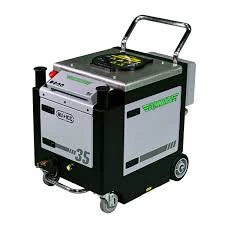
Dry ice blasting equipment solutions eliminate production downtime by allowing maintenance crews to clean critical line components while the machinery is hot and online, optimized through in place equipment cleaning and continuous production support services. Standard abrasive cleaning setups require lines to cool down completely before technicians can begin a tedious tear-down process. CO2 pellet blasting allows you to clean molds, conveyors, and automated rails in place, saving hours of labor.
Unexpected downtime can create significant challenges for industrial facilities. Production delays often lead to missed deadlines, increased costs, and reduced profitability. Cleaning processes that require extensive equipment shutdowns can further impact productivity.
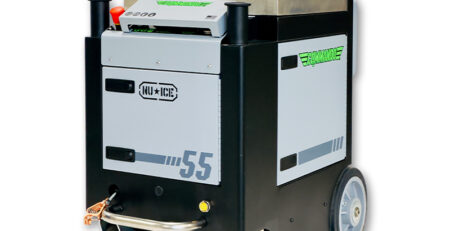
Dry ice blasting equipments allows maintenance teams to clean machinery more efficiently while minimizing disruptions. Many cleaning tasks can occur with less preparation and reduced downtime compared to traditional methods. Nu-Ice Age Dry Ice Blasting Equipment provides solutions that help facilities maintain production schedules while keeping critical equipment clean and operational. Here’s the part most contractors won’t tell you: standard hydro-blasting or scraping introduces water and moisture into bearing housings, causing hidden rust that triggers catastrophic component tracking failures weeks down the road.
- Map High-Contamination Nodes
- Identify tracking rails, stamping dies, and ventilation slots where grease and carbon soot accumulate rapidly.
- Document specific tolerance drift metrics on your production log to trace performance dips back to debris buildup.
- Execute In-Line Pellet Delivery
- Adjust pneumatic pressure levels and feed rates directly on the dry ice cabinet to match the specific structural substrate.
- Blast high-temperature molds while online, utilizing thermal shock to fracture stubborn polymers instantly.
- Verify Surface Cleanness and Tolerances
- Inspect hidden recessed channels with high-intensity work lights to confirm total contamination removal.
- Check alignment guides and sensor eyes immediately to return the line to full operational status without reassembly lag.
Contextual Use-Case Clusters
🛡️ Production Line Reliability
- Thermal Shock Fracturing: Extreme cold drops freeze sticky adhesives on contact, popping them free without manual chiseling.
- Non-Conductive Electrical Cleaning: Blasting active control panels and stator windings safely eliminates moisture-induced short circuits.
- Zero Disassembly Maintenance: Cleaning core tooling components inside the press machine cuts out calibration errors caused by frequent tear-downs.
⚙️ Plant Safety & Environmental Compliance
- Chemical Solvent Reduction: Eliminating toxic chemical washes keeps your air clean and reduces expensive EPA disposal fees.
- Combustible Dust Abatement: Striking accumulated fuel particles off overhead rafters prevents dangerous factory flash fires.
- OSHA Slip and Trip Mitigation: Blasting stubborn oil overspray off factory concrete walkways protects your floor team from injury.
Multi-Layered Technical Entity Glossary
- Pellet Sublimation: The instant physical transformation of solid carbon dioxide particles into harmless gas upon surface impact, lifting contaminants away.
- Pneumatic Feed Rate: The precise structural control setting regulating how many pounds of dry ice enter the airflow stream every minute.
- Thermal Shock Interface: The rapid localized drop in temperature that causes brittle contaminants to crack away from warm metal bases.
- Secondary Waste Stream: Extra contaminated material left behind by traditional sand or water blasting that requires specialized disposal.
- Abrasive Profiling: The permanent structural erosion or pitting carved into a metal part when blasted with hard media like aluminum oxide.
Modern facilities require cleaning solutions that support high productivity, deep equipment reliability, and long-term operational efficiency. Dry ice blasting equipment solutions provide an effective way to remove tough contaminants while minimizing line downtime and protecting valuable corporate assets. Maintenance managers who adopt advanced carbon dioxide blasting tech experience improved equipment performance, safer manufacturing floors, and more consistent output metrics across every single shift. Nu-Ice Age Dry Ice Blasting Equipment remains fully committed to helping industrial organizations secure these goals through rugged, high-performance blasting systems engineered for demanding industrial operations.
To eliminate maintenance bottlenecks and protect your heavy machinery from premature wear, invest in high-durability dry ice blasting equipment solutions from Nu-Ice Age Dry Ice Blasting Equipment. Call us today!
Frequently Asked Questions
What is dry ice blasting equipments?
Dry ice blasting equipment uses high-velocity compressed air to accelerate solid carbon dioxide pellets against dirty surfaces to strip contaminants. The solid pellets freeze and fracture stubborn residues like tars, inks, and greases on impact before instantly sublimating back into gas without leaving secondary waste behind.
What industrial sectors benefit most from dry ice blasting?
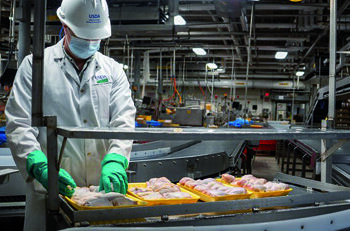
Automotive plants, commercial bakeries, plastics molders, and power generation facilities use this specialized cleaning process daily. Because the media is non-conductive and moisture-free, technicians can clean active electric motors, sensitive stamping dies, and food-grade packaging lines without causing water damage.
Does dry ice blasting help reduce operational downtime?
Yes, this cleaning process cuts down maintenance downtime by allowing crews to clean factory equipment while it is fully assembled. Eliminating the hours spent cooling down machinery, tearing apart lines, and scrubbing parts by hand allows plants to maintain tight production quotas.
Can dry ice blasting help protect expensive equipment components?
Yes, the solid CO2 pellets are completely non-abrasive, meaning they clean surfaces without scratching or eroding metal tolerances. This safe cleaning process preserves delicate machined lines, extends mold life, and stops the premature wear common with wire brushes or grit sandblasting.
Why choose Nu-Ice Age Dry Ice Blasting Equipments for your facility?
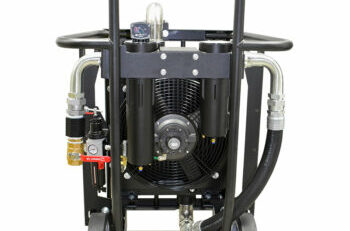
Nu-Ice Age Dry Ice Blasting Equipment provides heavy-duty pneumatic systems, versatile nozzle packages, and deep industrial field expertise. Our rugged machines are built to survive punishing factory floors, helping your maintenance crews streamline their cleaning rotations and protect critical production assets.