Dry Ice Blasting Engine Bays: Benefits, Process & Precautions
Keeping an engine bay clean is an important part of automotive maintenance, detailing, and restoration. Over time, engine compartments accumulate oil, grease, dust, road grime, and other contaminants that make inspections and repairs more difficult.
Traditional cleaning methods often involve chemical degreasers, brushes, and pressure washing. While these methods can be effective, they may require extensive rinsing, introduce moisture around electrical components, or involve considerable manual labor.
Dry ice blasting engine bays offers an alternative cleaning method that uses compressed air and solid carbon dioxide pellets to remove accumulated contamination without introducing water or conventional abrasive blasting media.
For professional automotive detailers, restoration specialists, and maintenance workshops, dry ice blasting can help clean suitable engine components while reducing the need for extensive disassembly.
This guide explains how dry ice engine cleaning works, its benefits, the typical cleaning process, and the precautions necessary to protect sensitive automotive components.
What Is Dry Ice Blasting for Engine Bay Cleaning?
Dry ice blasting is a cleaning process that uses compressed air to propel solid carbon dioxide (CO₂) pellets toward a contaminated surface.
When the pellets contact the surface, they transfer kinetic energy and rapidly sublimate, changing directly from solid carbon dioxide into gas. This action helps loosen and remove grease, dirt, and other deposits.
Unlike sandblasting or other abrasive cleaning methods, dry ice blasting does not introduce conventional abrasive media that must be removed afterward.
The process also does not require water or liquid cleaning chemicals as its primary cleaning medium.
For engine compartments containing a combination of metal housings, painted surfaces, wiring, plastic covers, and rubber components, this provides an alternative to conventional washing and degreasing.
However, dry ice blasting is not universally suitable for every automotive surface. Cleaning pressure, nozzle selection, exposure time, and component condition must be considered.
Benefits of Dry Ice Blasting Engine Bays
1. Removes Grease, Oil, and Road Grime
Engine compartments are regularly exposed to contaminants such as:
- Engine oil and grease
- Road dirt and dust
- Oily residue around mechanical assemblies
- Accumulated grime on metal housings
- Contamination around brackets and mounting points
- Deposits on accessible engine components
Dry ice blasting can loosen many of these contaminants, helping restore visibility and cleanliness to the engine compartment.
The effectiveness of cleaning depends on the type of residue, how firmly it adheres to the surface, and the equipment settings used.
2. Minimizes Water Exposure
One of the main reasons automotive professionals consider dry ice engine cleaning is that the process does not use water as its cleaning medium.
Pressure washing may introduce moisture around electrical connectors, sensors, ignition components, and other sensitive areas.
Dry ice blasting can reduce the need for water-based cleaning, particularly when working on older vehicles or engine compartments where moisture exposure is undesirable.
However, dry ice blasting does not eliminate all risks to electrical components. Loose connections, exposed wiring, vulnerable seals, and condensation must still be considered.
3. Helps Preserve Suitable Engine Components
Automotive engine bays contain components made from different materials, including aluminum, steel, painted metal, plastic, and rubber.
Dry ice blasting is generally less abrasive than conventional abrasive blasting methods, making it useful for cleaning many surfaces without intentionally removing their underlying material.
This can be particularly valuable when restoring classic vehicles with original components and finishes.
Nevertheless, deteriorated paint, brittle plastics, aging rubber, and delicate coatings may be damaged by inappropriate blasting settings.
Operators should always evaluate surface condition and test the cleaning method before proceeding.
4. Reduces Manual Scrubbing
Engine compartments contain tight spaces and irregular surfaces that can be difficult to clean with brushes and cloths.
Dry ice blasting can reach some accessible recesses, brackets, and mechanical assemblies without requiring the same level of manual scrubbing.
For professional workshops, this may improve cleaning efficiency and help technicians focus on inspection and maintenance.
Actual time savings depend on contamination severity, equipment accessibility, and the preparation required.
5. Supports Engine Inspections and Maintenance
A heavily contaminated engine compartment can make it difficult to identify oil leaks, damaged components, loose connections, or deteriorated seals.
Removing accumulated grime improves visibility and may help technicians inspect components more effectively.
Dry ice blasting does not repair mechanical problems or stop leaks, but it can support the inspection process by cleaning appropriate surfaces.
Which Engine Bay Components Can Be Cleaned With Dry Ice Blasting?
Dry ice blasting may be used on various accessible engine compartment components when their condition and material compatibility have been assessed.
Engine Blocks and Metal Housings
External engine blocks, transmission housings, and suitable metal assemblies often accumulate oil and grease.
Dry ice blasting can help remove contamination from accessible surfaces without introducing water or spent abrasive blasting media.
Brackets and Mounting Components
Metal brackets, supports, and mounting points can collect grease and road dirt.
These components may be suitable for dry ice blasting when coatings and nearby materials are compatible with the selected settings.
Engine Bay Panels and Painted Surfaces
Some painted engine compartment panels can be cleaned with dry ice blasting.
However, the condition and adhesion of the paint must be evaluated. Aging finishes, flaking coatings, and previously repaired surfaces may be especially vulnerable.
Plastic and Rubber Components
Certain plastic covers and rubber components may tolerate carefully controlled dry ice blasting.
However, brittle plastics, deteriorated rubber, flexible hoses, and aging seals require particular caution.
Dry ice blasting should not be assumed safe for every material simply because it is considered a low-abrasion cleaning method.
How to Clean an Engine Bay With Dry Ice Blasting
Professional dry ice engine cleaning should follow a controlled process designed to remove contamination while protecting sensitive components.
Step 1: Inspect the Engine Compartment
Before cleaning, inspect the engine bay for:
- Loose or damaged wiring
- Exposed electrical connections
- Cracked plastic covers
- Deteriorated rubber hoses
- Loose or flaking paint
- Damaged seals
- Open air intakes or exposed mechanical openings
- Heavy oil or grease contamination
Identify areas that should be protected, avoided, or cleaned using another method.
Step 2: Prepare the Vehicle
The engine should be switched off, secured against accidental starting, and allowed to reach a suitable temperature before cleaning.
Protect vulnerable components and openings according to the vehicle manufacturer’s guidance and the dry ice blasting equipment instructions.
Remove loose items that could be displaced by the compressed-air stream.
Ensure the work area has appropriate ventilation and sufficient access for safe operation.
Step 3: Select Appropriate Blasting Settings
Choose the equipment configuration based on the surface material, contamination, and component condition.
Relevant settings include:
- Blasting pressure
- Dry ice feed rate
- Nozzle type
- Nozzle distance
- Exposure time
- Angle of application
Begin with conservative settings and perform a test on an inconspicuous area.
Avoid directing the blast toward exposed electrical connections, damaged seals, fragile components, or vulnerable coatings.
Step 4: Clean Suitable Engine Bay Surfaces
Once the equipment has been configured and tested, begin cleaning the appropriate areas of the engine compartment.
Use controlled nozzle movements and avoid concentrating the blast on one location for longer than necessary.
Monitor the surface as contamination is removed.
If a coating begins to lift or a component shows signs of damage, stop and reassess the cleaning method.
Step 5: Collect Dislodged Contamination
Dry ice pellets sublimate into carbon dioxide gas, but the dirt, grease, and other contaminants removed from the engine bay remain.
These materials should be collected and disposed of appropriately.
Depending on the application, additional vacuuming or manual cleanup may be required.
Step 6: Inspect the Engine Bay After Cleaning
After cleaning, inspect the engine compartment for remaining contamination and any signs of damage.
Check that protective coverings have been removed and that electrical connections, hoses, and other components are in their intended condition before returning the vehicle to service.
Is Dry Ice Blasting Safe for Engine Bay Electrical Components?
Dry ice blasting does not introduce water as its cleaning medium, but that does not automatically make it safe for all electrical equipment.
Automotive engine compartments contain sensors, wiring harnesses, connectors, electronic control modules, and other components that may be vulnerable to mechanical force or temperature changes.
Direct blasting can potentially dislodge connections, damage fragile insulation, or affect sensitive components.
Electrical systems should be assessed and protected according to manufacturer recommendations.
Operators should not blast exposed electronics or assume that non-conductive dry ice pellets eliminate electrical hazards.
Dry Ice Blasting vs. Pressure Washing Engine Bays
Both dry ice blasting and pressure washing can be used in automotive cleaning, but they have different operating characteristics.
| Feature | Dry Ice Blasting | Pressure Washing |
| Cleaning medium | Solid CO₂ pellets and compressed air | Pressurized water |
| Water introduced | No water used as the blasting medium | Yes |
| Grease removal | Effective for many surface deposits | Often effective with suitable detergents |
| Electrical precautions | Required | Required |
| Secondary blasting media | None | None, although wastewater is produced |
| Contaminant cleanup | Dislodged material must be collected | Wastewater and contaminants must be managed |
| Equipment requirements | Dry ice, compressed air, and blasting equipment | Water supply and pressure washing equipment |
| Surface compatibility | Requires assessment and testing | Requires assessment and testing |
The best method depends on the condition of the engine bay, the type of contamination, available equipment, and the cleaning objective.
For restoration projects involving original finishes or moisture-sensitive assemblies, dry ice blasting may offer practical advantages.
Important Precautions for Dry Ice Engine Cleaning
Carbon Dioxide Ventilation
Dry ice sublimates into carbon dioxide gas during blasting.
In poorly ventilated areas, CO₂ can accumulate and displace oxygen, creating a serious asphyxiation hazard.
Appropriate ventilation, workplace risk assessment, and CO₂ monitoring where necessary are essential.
Personal Protective Equipment
Operators should use appropriate protective equipment, including eye and face protection, hearing protection, insulated gloves when handling dry ice, and any additional protection required by the workplace risk assessment.
Surface Compatibility
Not every engine compartment material is suitable for dry ice blasting.
Damaged paint, fragile wiring, deteriorated rubber, brittle plastics, and vulnerable coatings may require alternative cleaning methods.
Compressed-Air Safety
Dry ice blasting equipment operates using compressed air.
Operators must follow the manufacturer’s pressure limits, equipment instructions, and safe operating procedures.
Contaminant Handling
Removed oil, grease, dirt, and other substances do not disappear during blasting.
Contaminated debris should be contained and disposed of according to applicable requirements.
Choosing a Dry Ice Blasting Machine for Engine Bay Cleaning
Professional automotive detailers and restoration workshops should choose equipment based on their cleaning requirements.
Important considerations include:
- Adjustable blasting pressure
- Control over dry ice feed rate
- Appropriate nozzle options
- Available compressed-air capacity
- Equipment portability
- Dry ice consumption
- Frequency of automotive cleaning work
- Maintenance and operating costs
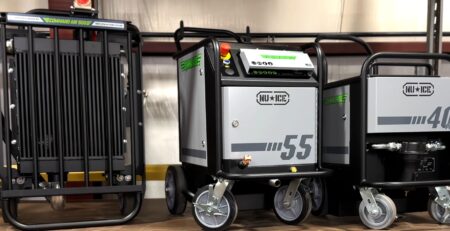
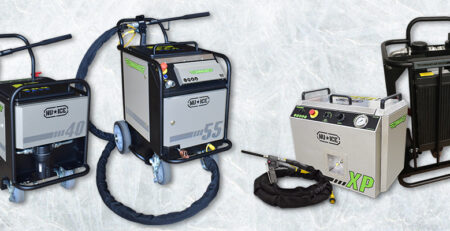
Nu-Ice manufactures COMMANDO® dry ice blasting machines for industrial and automotive cleaning applications.
Workshops considering equipment for engine bay cleaning can explore the Nu-Ice Dry Ice Blasting Machines range and discuss their specific requirements with the Nu-Ice team.
For additional information about using dry ice blasting in vehicle restoration, read our Historical Automotive Restoration guide.
Frequently Asked Questions
Can you dry ice blast an engine bay?
Yes. Dry ice blasting can be used to clean suitable engine bay surfaces, including certain metal housings, brackets, and mechanical assemblies. Sensitive components and vulnerable materials must be protected or avoided.
Does dry ice blasting damage engine components?
Dry ice blasting can clean many automotive surfaces without intentionally removing the underlying material. However, inappropriate pressure, nozzle distance, or exposure can damage vulnerable components or coatings.
Is dry ice engine cleaning better than steam cleaning?
Dry ice blasting avoids introducing water as the cleaning medium, while steam cleaning uses heat and moisture. The preferred method depends on the vehicle, component condition, contamination, and cleaning requirements.
Can dry ice blasting remove engine oil and grease?
Yes. Dry ice blasting can remove many types of oil and grease deposits from suitable external engine components. Cleaning effectiveness depends on the residue and equipment settings.
Does dry ice blasting leave residue in the engine bay?
The dry ice pellets sublimate and do not leave spent blasting media behind. However, removed dirt, grease, and other contamination still require cleanup.
Can dry ice blasting clean classic car engine bays?
Yes. Dry ice blasting can be particularly useful in classic car restoration when preserving original components and minimizing water exposure are priorities. Aging materials and original finishes should be carefully assessed before cleaning.
Explore Dry Ice Blasting Equipment for Automotive Cleaning
Engine bay cleaning requires an approach that balances contamination removal with component protection.
Dry ice blasting provides professional automotive detailers, restoration specialists, and maintenance workshops with an alternative to conventional washing, chemical degreasing, and manual cleaning.
By using compressed air and solid carbon dioxide pellets, the process can remove grease, oil, and road grime from suitable engine compartment surfaces without introducing water or conventional abrasive blasting media.
Nu-Ice manufactures American-made COMMANDO® dry ice blasting machines for a range of automotive and industrial cleaning applications.
Interested in dry ice blasting equipment for your automotive workshop?
Explore our COMMANDO® Dry Ice Blasting Machines or contact Nu-Ice to discuss your engine cleaning applications and equipment requirements.