
Dry Ice Blasting Equipment for Industrial Cleaning: Machines, Applications, and Key Considerations
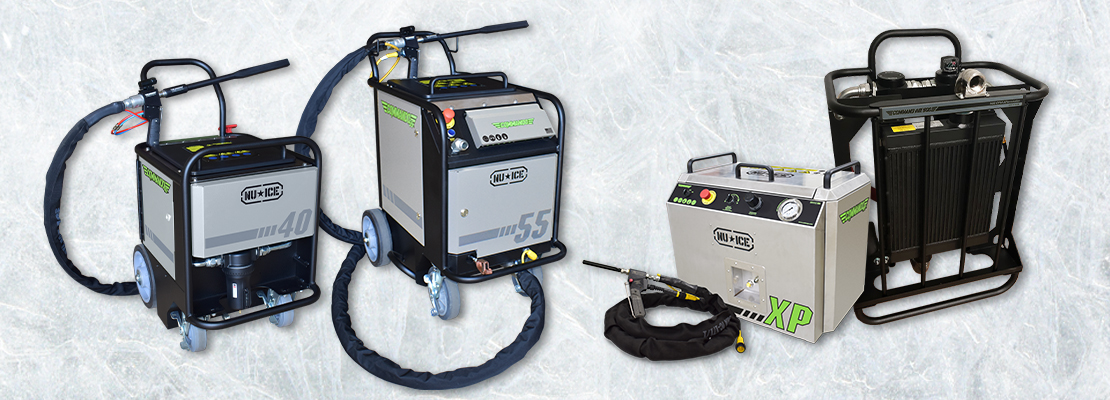
Nu-Ice Dry Ice Cleaning Machines for Industrial Blasting
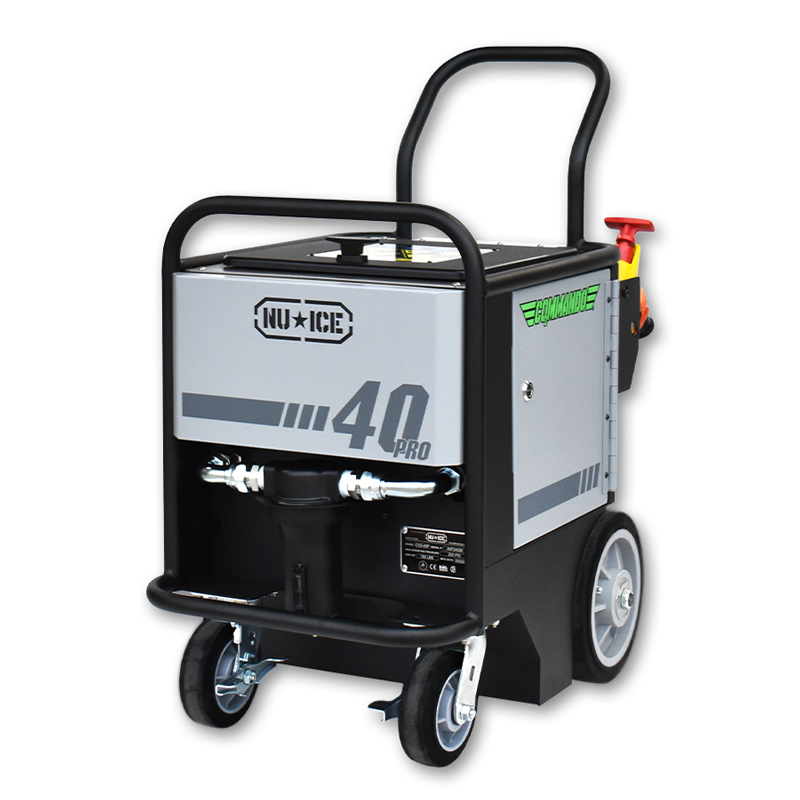
Dry Ice Cleaning Machines are used across industrial environments to remove contaminants from surfaces without introducing water, chemicals, or secondary waste. As a form of CO₂ blasting equipment, advanced surface cleaning technology uses compressed air to accelerate solid carbon dioxide (dry ice) pellets, cleaning through a combination of kinetic impact, thermal shock, and sublimation. This method is widely used in facilities that require consistent cleaning while maintaining operational continuity.
Modern industrial dry ice blasting machines are designed for controlled, operator-driven use. From production lines to sensitive equipment, these systems support maintenance requirements in environments where traditional cleaning methods may be disruptive, time-consuming, or incompatible with existing processes.
What Is Dry Ice Blasting and How Dry Ice Cleaning Machines Work
Dry ice blasting is a form of cryogenic cleaning equipment that uses solid CO₂ pellets as the cleaning medium. When propelled at high velocity using compressed air, the pellets impact the surface and rapidly sublimate, transitioning from solid to gas. This process reduces the need for water-based cleanup and minimizes secondary waste.
Unlike abrasive blasting techniques, dry ice cleaning machines do not rely on surface erosion. Instead, contaminants are removed through a combination of mechanical impact and rapid temperature change, making the process suitable for equipment that cannot tolerate moisture exposure or surface wear.
Types of Industrial Dry Ice Blasting Machines for Dry Ice Cleaning Machines
Different types of dry ice blasting equipment are designed to meet varying operational requirements. Equipment selection typically depends on air supply capacity, application environment, and required cleaning intensity.
- All-pneumatic systems operate solely on compressed air, without electrical components
- Portable units are designed for flexibility across multiple locations
- Stationary systems support fixed industrial operations with routine cleaning needs
- Precision blasting systems allow controlled application on sensitive surfaces
Each category of CO₂ blasting equipment supports specific use cases, making it important to align machine capabilities with operational demands.
Applications Across Industrial Environments for Dry Ice Cleaning Machines
Industrial dry ice blasting machines are used in a wide range of sectors where efficient and non-destructive cleaning is required. The method is particularly useful in environments where downtime, contamination, or moisture must be minimized.
Common applications include:
- Manufacturing equipment maintenance
- Electrical and mechanical component cleaning
- Mold and tooling cleaning
- Restoration and surface preparation
- Conveyor systems and production lines
Because dry ice sublimates upon impact, dry ice cleaning machines are often used in areas where post-cleaning residue must be minimized or eliminated.
Dry Ice Blasting in the Food Industry
In food production environments, sanitation requirements are strict, and cleaning methods must align with regulatory and operational standards. Cryogenic cleaning equipment is used to clean production equipment without introducing additional moisture, which can be a concern in certain processing areas.
CO₂ blasting equipment can be applied to remove buildup from production lines, packaging systems, and conveyors while supporting routine maintenance processes. The dry nature of the method allows facilities to clean equipment with minimal disruption to operations.
Key Considerations When Choosing Dry Ice Blasting Equipment
Selecting the right dry ice blasting equipment depends on several operational factors. Understanding these considerations helps ensure the equipment aligns with facility requirements.
- Air supply capacity: Systems rely on compressed air, so compatibility is essential
- Mobility needs: Portable vs. stationary equipment depending on use case
- Application type: Light cleaning vs. heavy-duty industrial removal
- Operator control: Systems are manually operated and require trained handling
- Maintenance requirements: Equipment design and servicing considerations
Evaluating these factors can help determine which industrial dry ice blasting machines are appropriate for a given environment.
Upgrade Your Cleaning Process with Nu-Ice
Ready to improve efficiency with advanced dry ice cleaning machines? Visit Nu-Ice Blasting to explore reliable CO₂ blasting equipment built for industrial performance. Contact us today to find the right solution for your operation and streamline your cleaning process with minimal downtime.
Frequently Asked Questions (FAQs)
How does dry ice blasting equipment differ from traditional cleaning methods?
Dry ice blasting equipment uses solid CO₂ pellets instead of water or chemicals. The pellets sublimate on impact, which reduces secondary waste and eliminates the need for drying time in many applications.
What industries commonly use industrial dry ice blasting machines?
Industries such as manufacturing, food processing, automotive, and restoration commonly use dry ice cleaning machines due to their ability to clean without moisture or abrasive damage.
Is CO₂ blasting equipment suitable for sensitive equipment?
Yes. Because the process does not rely on abrasion, it is often used on electrical components, machinery, and surfaces where minimal wear is required. Proper operator control remains essential.
Does dry ice blasting create residue?
The dry ice itself sublimates into gas, meaning it does not leave behind blasting media. However, removed contaminants still need to be managed depending on the environment.
What is required to operate dry ice cleaning machines?
These machines require a compressed air supply and trained operators. Performance depends on air pressure, pellet size, and application technique.
Can cryogenic cleaning equipment be used in food production areas?
Yes. It is commonly used in food industry cleaning where dry, non-toxic cleaning methods are preferred, subject to facility-specific protocols.

