Dry Ice Blasting for Classic Car Restoration: A Complete Guide
Restoring a classic car requires more than mechanical expertise and attention to detail. Every component, from the engine bay to the undercarriage, needs careful cleaning to preserve the vehicle’s original materials, finishes, and condition.
Traditional restoration cleaning methods often involve chemical degreasers, pressure washing, abrasive blasting, or extensive manual scrubbing. While these methods have their place, they may introduce moisture, require additional cleanup, or risk damaging delicate components.
Dry ice blasting for classic cars offers an alternative for restoration professionals and automotive enthusiasts who need to remove grease, road grime, oil, and other contaminants while minimizing disturbance to the underlying surfaces.
Using compressed air and solid carbon dioxide pellets, dry ice blasting cleans automotive components without introducing water or conventional abrasive blasting media. This makes it particularly useful for restoration projects where preserving original finishes and reducing disassembly are important.
What Is Dry Ice Blasting in Classic Car Restoration?
Dry ice blasting is a cleaning process that propels solid carbon dioxide (CO₂) pellets toward a contaminated surface using compressed air.
When the pellets strike the surface, they transfer energy and rapidly sublimate, changing directly from solid carbon dioxide into gas. This process helps loosen and remove contaminants without leaving spent blasting media behind.
Unlike sandblasting, which uses abrasive particles to strip material from surfaces, dry ice blasting is generally used to remove surface contamination rather than intentionally alter the underlying material.
For classic car restoration, this distinction matters. Many vintage vehicles contain original paint, metal finishes, rubber components, wiring, and other materials that restorers want to preserve.
When the equipment and operating settings are appropriate for the surface, dry ice blasting can provide effective cleaning while reducing the need for aggressive mechanical cleaning methods.
For a broader explanation of this technology, explore Nu-Ice’s Historical Automotive Restoration resource.
Why Use Dry Ice Blasting for Classic Cars?
1. Preserve Original Automotive Components
One of the biggest challenges in classic car restoration is cleaning decades of accumulated contamination without unnecessarily removing original materials.
Older vehicles may have painted engine components, coated metal surfaces, rubber seals, aluminum parts, and other materials that require careful handling.
Dry ice blasting allows restoration professionals to adjust their cleaning approach based on the surface and the contamination being removed.
Because the process does not rely on conventional abrasive media, it can be particularly useful for applications where maintaining the original surface profile is important.
However, delicate coatings, deteriorated paint, brittle rubber, and aging components should always be evaluated before blasting. Test cleaning on an inconspicuous area is recommended.
2. Remove Grease, Oil, and Road Grime
Classic cars frequently accumulate heavy contamination in areas that are difficult to reach using traditional cleaning tools.
Common examples include:
- Engine oil and grease buildup
- Road dirt and underbody grime
- Residue around suspension components
- Contamination on transmission housings
- Adhesive and accumulated workshop residue
- Dirt around mechanical assemblies and brackets
Dry ice blasting can help loosen these contaminants, making it easier to inspect and restore components.
Cleaning results depend on the contaminant, its adhesion to the surface, the equipment configuration, and the condition of the underlying material.
3. Reduce Water Exposure During Restoration
Pressure washing can be effective for automotive cleaning, but introducing water into older vehicle assemblies may create additional concerns.
Classic vehicles can have aging electrical connections, exposed metal, deteriorated seals, and moisture-sensitive components.
Dry ice blasting does not require water as a cleaning medium, which can make it useful in situations where moisture exposure should be minimized.
Although the process is dry, operators must still consider condensation, temperature changes, and the condition of sensitive components.
4. Reduce Cleaning Time and Disassembly
Traditional restoration projects can involve removing components simply to access contaminated areas.
Dry ice blasting can sometimes clean accessible assemblies while they remain installed, reducing unnecessary disassembly.
For professional restoration workshops, this may help streamline cleaning and inspection workflows.
The amount of time saved depends on the vehicle, accessibility, contamination, and cleaning requirements. Not every component can or should be cleaned in place.
Which Classic Car Components Can Be Cleaned With Dry Ice Blasting?
Dry ice blasting can be considered for several areas of a classic vehicle, provided the materials and operating conditions are suitable.
Engine Bays and Engine Components
Engine compartments often contain accumulated grease, oil, dust, and road grime.
Dry ice blasting can help clean accessible engine surfaces, brackets, housings, and surrounding components without using water-based degreasers.
This can be particularly helpful when preparing an engine bay for detailed inspection or restoration.
Sensitive electrical connections, loose coatings, fragile wiring, and exposed openings should be protected or avoided as appropriate.
Undercarriage and Chassis Components
The undercarriage of a classic vehicle can accumulate years of road dirt, grease, and oily deposits.
Dry ice blasting may be used to clean accessible chassis components, suspension assemblies, wheel wells, and underbody surfaces.
Removing accumulated contamination can help restorers inspect the condition of components and identify areas that require additional attention.
However, dry ice blasting should not be treated as a replacement for mechanical rust removal or corrosion repair.
Transmission and Drivetrain Components
Transmission housings, differentials, and drivetrain assemblies can develop significant oil and grease buildup.
Dry ice blasting provides a way to remove some of this contamination while minimizing the introduction of additional cleaning media.
This can support inspection, maintenance, and restoration work on accessible mechanical assemblies.
Suspension and Wheel Well Areas
Suspension components and wheel wells are frequently exposed to dirt, grease, and road contamination.
Dry ice blasting can help remove surface deposits around suitable metal components, brackets, and housings.
Operators should take particular care around deteriorated bushings, flexible components, protective coatings, and aging materials.
Dry Ice Blasting vs. Traditional Classic Car Cleaning Methods
Choosing the right cleaning method is an important part of any automotive restoration project.
| Cleaning Method | Advantages | Considerations |
| Dry Ice Blasting | No water or secondary blasting media; suitable for many precision cleaning applications | Requires compressed air, dry ice, ventilation, and suitable equipment settings |
| Sandblasting | Effective for removing coatings and preparing metal surfaces | Abrasive action can alter surfaces and damage delicate components |
| Pressure Washing | Useful for removing dirt and water-soluble contamination | Introduces moisture and may require additional drying |
| Chemical Degreasing | Can dissolve certain oils, grease, and residues | Requires chemical compatibility checks and appropriate waste handling |
| Manual Cleaning | Allows detailed control over individual components | Can be labor-intensive and difficult in tight spaces |
Dry ice blasting is not necessarily a replacement for every restoration cleaning technique.
For example, removing heavy corrosion, stripping bonded coatings, or preparing bare metal for refinishing may require other methods.
The ideal approach depends on whether the goal is to clean, preserve, strip, or repair a particular component.
Can Dry Ice Blasting Damage Classic Car Paint?
Dry ice blasting is generally less abrasive than conventional abrasive blasting, but that does not mean every painted surface can be cleaned without risk.
Original paint on classic vehicles may be weakened by age, previous repairs, corrosion, or poor adhesion.
High blasting pressure, inappropriate nozzle selection, or prolonged exposure may affect vulnerable finishes.
Restoration professionals should assess the paint condition, begin with conservative settings, and test a small area before proceeding.
The goal should be to remove contamination while preserving sound original materials wherever possible.
Choosing Dry Ice Blasting Equipment for Classic Car Restoration
Selecting the right dry ice blasting machine depends on the type of restoration work being performed.
Automotive restoration professionals should consider equipment portability, compressed-air requirements, blasting pressure control, dry ice consumption, nozzle options, and the range of surfaces they expect to clean.
Nu-Ice COMMANDO® 35 Dry Ice Blaster
The Nu-Ice COMMANDO® 35 is designed for automotive restoration and precision cleaning applications.
Its compact, portable configuration makes it particularly relevant for restoration workshops, detailing professionals, and businesses working on classic vehicles.
The machine is intended for applications involving grease, oil, road grime, and other contaminants found on automotive components.
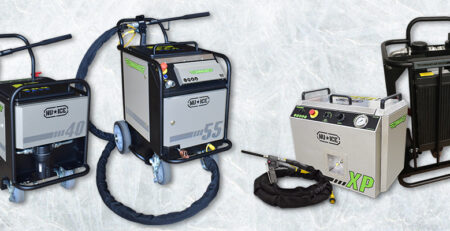
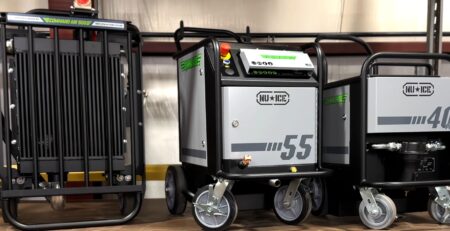
Restoration businesses interested in expanding their cleaning capabilities can explore the COMMANDO® 35 and compare it with other equipment in Nu-Ice’s Dry Ice Blasting Machines range.
What Should Restoration Shops Consider Before Buying?
Before investing in dry ice blasting equipment, consider:
- The types of vehicles and components you regularly restore
- The condition and sensitivity of the surfaces being cleaned
- Available compressed-air capacity and air quality
- Required blasting pressure and nozzle configurations
- Dry ice availability and ongoing operating costs
- Workshop ventilation and operator safety requirements
- Expected frequency and duration of cleaning jobs
Choosing equipment based on actual restoration requirements helps avoid investing in a system that is either unnecessarily large or insufficient for the intended applications.
Frequently Asked Questions About Dry Ice Blasting Classic Cars
Is dry ice blasting good for classic car restoration?
Dry ice blasting can be an effective cleaning method for classic car restoration because it removes many types of surface contamination without introducing water or conventional abrasive media. It is especially useful where preserving original materials is important.
Can dry ice blasting remove rust from classic cars?
Dry ice blasting can remove dirt and contamination around corroded areas, but it is generally not a substitute for dedicated rust removal. Heavy or firmly bonded corrosion may require mechanical or abrasive treatment.
Can dry ice blasting clean a classic car engine?
Yes, suitable external engine components and surrounding areas can often be cleaned using dry ice blasting. Sensitive components, openings, wiring, and vulnerable coatings must be assessed and protected.
Is dry ice blasting better than sandblasting for classic cars?
For removing surface contamination while preserving existing finishes, dry ice blasting may be preferable. Sandblasting remains useful for applications requiring coating removal or surface preparation. The appropriate method depends on the restoration objective.
Does dry ice blasting leave residue?
The dry ice pellets sublimate into carbon dioxide gas and do not leave spent blasting media behind. However, removed grease, dirt, paint fragments, and other contaminants still require appropriate collection and disposal.
Can dry ice blasting be used on rubber and plastic components?
Some rubber and plastic components can be cleaned with suitable blasting settings. However, older or deteriorated materials may be vulnerable to damage, so compatibility testing is important.
Is dry ice blasting safe to use inside an automotive workshop?
Dry ice blasting requires adequate ventilation, appropriate personal protective equipment, and safe operating procedures. Carbon dioxide can accumulate in poorly ventilated areas, creating an asphyxiation hazard. Operators must follow equipment instructions and workplace safety requirements.
Restore Classic Cars With Nu-Ice Dry Ice Blasting Equipment
Classic car restoration requires cleaning methods that balance effectiveness with preservation.
Dry ice blasting provides restoration professionals with a versatile way to remove grease, road grime, and other contaminants while minimizing the need for water and conventional abrasive blasting media.
Whether you’re restoring a vintage engine bay, cleaning chassis components, or preparing mechanical assemblies for inspection, selecting the appropriate equipment can help improve your restoration workflow.
Nu-Ice manufactures American-made COMMANDO® dry ice blasting machines for automotive and industrial cleaning applications.
Looking for dry ice blasting equipment for your restoration workshop?
Explore Nu-Ice’s Dry Ice Blasting Machines or contact the Nu-Ice team to discuss your application, equipment requirements, and available options.